
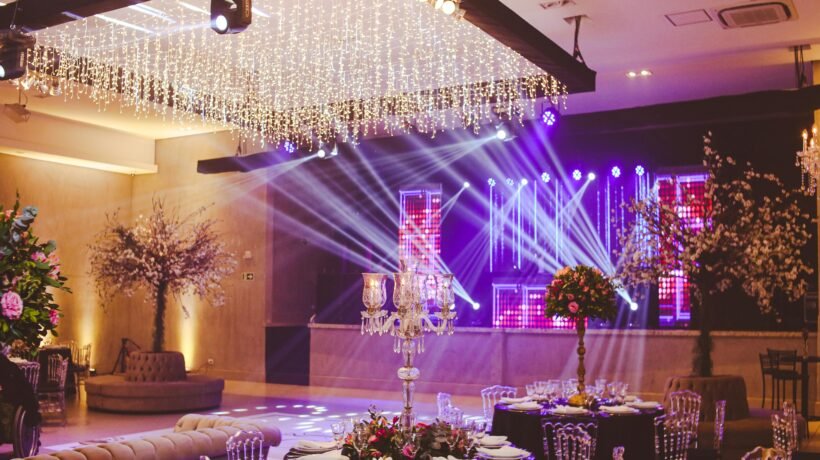
Event planning is the professional process of organizing, coordinating, and executing events from the very first idea to the final moment of the night. It covers every detail including venue selection, vendor management, guest experience, decor, logistics, and timeline management. Whether the event is a corporate gathering, a romantic date night, a birthday celebration, or a gala honoring everyday hero, professional event planning ensures that nothing is left to chance.

Why Professional Event Planning Makes a Real Difference
Many people underestimate how much work goes into creating a truly seamless event. A professional event planner does not just book a venue; they create an experience that resonates emotionally with every single guest. The difference between a forgettable gathering and an unforgettable evening almost always comes down to the level of planning, creativity, and execution behind the scenes.
Why hiring a professional event planner matter:
- They save you time, money, and unnecessary stress
- They have established vendor networks and can negotiate better rates
- They anticipate problems before they happen and have backup plans ready
- They handle every detail so you can be fully present and enjoy your own event
- They bring creative vision and execution together in one seamless system
The Key Stages of Professional Event Planning
Stage 1 — Concept & Vision Development
Every great event begins with a clear vision. During this stage, a professional event planner sits down with the client to understand the purpose of the event, the audience, the desired atmosphere, and the overall goals. This is where theme ideas are explored, mood boards are created, and a clear direction is established before any bookings are made. Getting this stage right saves enormous amounts of time and budget later in the process.
Stage 2 — Logistics & Vendor Coordination
Once the vision is set, the real work begins. This stage involves sourcing and confirming vendors caterers, photographers, decorators, entertainment, audio-visual teams, and more. A skilled event planner manages every contract, deadline, and delivery schedule to ensure all the moving parts work together smoothly. Strong vendor relationships built over time are one of the most valuable assets a professional event company brings to the table.
Stage 3 — Execution & On-Day Management
The final and most critical stage is the actual day of the event. This is where months of planning come to life, and where experience truly matters. A professional event planner oversees setup, manages the timeline, coordinates all vendors on-site, handles any last-minute issues quietly and efficiently, and ensures the guest experience is flawless from arrival to farewell.
Professional event planning checklist highlights:
- Clear event brief and client alignment
- Realistic budget with contingency allocation
- Venue booked and confirmed with layout plan
- All vendors contracted with clear deliverables
- Guest list managed and RSVPs tracked
- Detailed run-of-show timeline created
- On-day team briefed and roles assigned
- Post-event feedback and follow-up plan
Types of Events a Professional Planner Handles
Corporate & Brand Events
Corporate event planning is one of the most demanding and high-stakes areas of industry. These events including product launches, networking mixers, team celebrations, and brand activations must strike a precise balance between professionalism and personality. A well-executed corporate event strengthens brand perception, boosts team morale, and creates lasting impressions on clients and partners. The best corporate events feel less like business obligations and more like premium experiences that people genuinely look forward to attending.
Weddings, Proposals & Anniversaries
Love-centered events are among the most emotionally significant moments in a person’s life, which means the planning behind them must be extraordinary. From crafting the perfect surprise proposal to coordinating every vendor on a wedding day, professional event planners specialize in making love stories come to life in the most beautiful way possible. Whether it is an intimate rooftop dinner for two or a grand wedding reception with hundreds of guests, every detail is thoughtfully curated to reflect the couple’s unique story.

Birthday Milestones & Private Celebrations
A milestone birthday whether it is a 30th, 50th, or a child’s first, deserves more than a last-minute party. Professional event planners bring themed experiences, coordinated decor, personalized touches, and seamless execution to birthday celebrations of all sizes. From baby showers and gender reveals to graduation parties and housewarming events, every private celebration becomes a cherished memory when planned with intention and creativity.
Romantic & Social Experience Events
One of the most exciting and growing segments of the event industry is curated social experience events monthly or seasonal gatherings designed for singles, couples, and social tastemakers who value connection, elegance, and premium experiences. These events blend romance, entertainment, and community in a way that leaves guests talking for weeks. Love After Dark is a perfect example of this format a signature monthly date-night experience crafted for sophisticated guests who appreciate more than just a night out.
Popular event formats trending in 2025:
- Curated date-night experiences and singles mixers
- Rooftop dinner parties and sunset social events
- Themed gala evenings and black-tie celebrations
- Corporate networking branches with experiential elements
- Outdoor luxury picnic experiences and garden parties
- Appreciation galas honoring community heroes and professionals
What Makes a Romantic Event Truly Unforgettable?
Ambiance, Theme & Atmosphere
The single most powerful ingredient in any romantic event is atmosphere. Lighting, music, scent, layout, and color palette all work together to create a mood that guests feel the moment they walk through the door. Warm candlelight, carefully chosen floral arrangements, soft background music, and thoughtfully designed table settings can transform any ordinary venue into a magical escape. Professional event planners understand that ambiance is not an afterthought, it is the foundation of the entire guest experience.
Curated Date Night Experiences
The modern romantic event goes far beyond dinner and drinks. Today’s most memorable social events are fully curated experiences where every element, from the welcome cocktail to the entertainment to the closing moment, is thoughtfully designed to create connection and conversation. Love After Dark is a monthly signature event series that brings together sophisticated singles, couples, and social tastemakers for an evening of elegance, refined nightlife, and meaningful connection, all wrapped in one premium experience.
Essential elements of a perfect romantic event:
- Warm, layered lighting, candles, fairy lights, and soft spotlights
- Fresh florals and curated table centerpieces
- Live music or carefully curated ambient playlists
- Signature cocktails and gourmet food experiences
- Dedicated photo moments and memory-capturing setups
- Personalized touches, custom menus, name cards, and gifts
Heroes-Themed Events — Celebrating Everyday Heroes
What Is a Heroes Day Out Event?
Heroes Day Out is a specially designed event series created to honor nurses, healthcare workers, first responders, and other everyday heroes who give so much of themselves to their communities. These individuals rarely can relax, be celebrated, and simply enjoy themselves, which is exactly what this event is designed to give them. Heroes Day Out brings these hardworking individuals together for a day of fun, laughter, entertainment, and genuine appreciation in a warm and welcoming environment.
Heroes Night Out — Entertainment & Fun
Every second month, the celebration is taken up a notch with Heroes Night Out a vibrant evening of games, music, good energy, and unforgettable entertainment designed exclusively for everyday heroes. The evening typically begins with a friendly bowling competition accompanied by great music and drinks, transitions into an exclusive club or lounge experience with live entertainment and cocktails and finishes with a late-night hangout at a stylish restaurant complete with gourmet food and an after-party atmosphere. It is the ultimate evening of fun for people who truly deserve it.
Heroes Gala — An Annual Celebration of Honor
Once a year, the celebration reaches its peak with the Heroes Gala, an elegant, prestigious annual event dedicated to honoring the selfless professionals who make a real difference in people’s lives. The gala features gourmet dining, luxury recognition moments, live entertainment, and an atmosphere of genuine appreciation and prestige. It is a formal evening where heroes are seen, celebrated, and reminded that their sacrifices do not go unnoticed. Register here to secure your spot before spaces fill up.
Why appreciation events for community heroes’ matter:
- Healthcare workers and first responders face extreme burnout, dedicated events help restore energy and morale
- Community-focused events build stronger social bonds and professional networks
- Public recognition through events reinforces the value and dignity of service careers
- Fun, well-planned experiences improve mental health and overall well-being
- Heroes who feel appreciated are more motivated and connected to their communities
Corporate Event Planning vs. Social Event Planning
Goals, Audiences & Execution Differences
While both corporate and social event planning require the same core skills, organization, creativity, vendor management, and attention to detail, the goals, tone, and audience expectations are distinctly different. Corporate events are primarily driven by business objectives: brand building, lead generation, employee engagement, or client entertainment. Social events, on the other hand, are driven by emotional celebration, connection, romance, and personal milestones. Understanding this fundamental difference is what separates average event planners from truly exceptional ones.
When to Blend Corporate with Social
One of the most powerful trends in modern event planning is the blending of corporate professionalism with social warmth and personality. End-of-year staff parties, corporate galas, and brand launch events are all opportunities to inject genuine fun, personalization, and experiential energy into what might otherwise be a stiff business function. The best event planners know how to read a client’s culture and create events that feel professional and purposeful while still delivering memorable, human experiences that people genuinely enjoy.
Corporate vs. Social Event Planning — key differences immediately:
| Factor | Corporate Events | Social Events |
| Primary Goal | Business objectives | Personal celebration |
| Tone | Professional & purposeful | Warm & emotional |
| Audience | Clients, partners, staff | Family, friends, community |
| Success Metric | ROI, engagement, attendance | Guest experience & memories |
| Budget Focus | ROI-driven | Experience-driven |
Top Event Planning Tips Professionals Swear By
Plan Early, Plan Smart
The golden rule of professional event planning is simple: start earlier than you think you need to. Venues book up fast, vendors have limited availability, and the best suppliers are always in high demand, especially during peak seasons. Starting your planning process at least three to six months before the event date gives you the flexibility to secure the best options, negotiate better rates, and handle unexpected changes without panic. Rushed planning almost always leads to compromised quality and unnecessary overspending.
Budget Management Done Right
One of the most common mistakes in event planning, whether corporate or personal, is creating a budget without accounting for hidden costs. Professional event planners always build a contingency fund of at least 10 to 15 percent of the total budget to cover unexpected expenses, last-minute changes, and vendor add-ons. They also prioritize spending based on what guests will notice and remember venue, food, lighting, and entertainment almost always deliver the highest return on investment in terms of guest experience.
Vendor Relationships & Backup Plans
Experienced event planners know that even the best-laid plans can encounter unexpected challenges a vendor cancellation, a weather issue, a technical problem. That is why every professional event plan includes a detailed contingency strategy with backup vendors on standby, alternative arrangements for outdoor events, and a clear chain of communication for the event team. Strong, long-term vendor relationships built on trust and mutual respect are one of the most valuable tools in any event planner’s arsenal.
Pro event planning tips checklist:
- Book your venue and key vendors at least 3 to 6 months in advance
- Always allocate a 10 to 15 percent budget contingency
- Create a detailed run-of-show document and share it with all vendors
- Have backup plans for weather, technology, and key vendor cancellations
- Use event management tools to track tasks, timelines, and communications
- Define your event’s success metrics before you start planning
- Communicate clearly and frequently with your client throughout the process

What to Look for When Hiring an Event Planning Company
Experience & Portfolio
When choosing an event planning company, the first thing to evaluate is their track record. A reputable event company will have a strong portfolio of past events across different formats corporate, social, romantic, and community events that demonstrates range, creativity, and consistent quality. Look for real photos, client testimonials, and case studies that show not just beautiful results but the ability to handle complexity and deliver under pressure. An experienced team has seen what can go wrong and knows exactly how to handle it.
Communication & Transparency
Great event planning is built on clear, consistent, and honest communication. From the very first consultation, your event planner should ask the right questions, listen carefully to your vision, and set realistic expectations about what is achievable within your budget and timeline. Red flags include vague answers, slow response times, and a reluctance to put agreements in writing. The best event companies operate as true partners transparent about costs, proactive in their communication, and committed to your vision from day one.
End-to-End Service Capability
The most valuable event planning companies offer complete, end-to-end services from initial concept development all the way through to post-event follow-up. This means you have one trusted team managing every aspect of your event rather than coordinating multiple independent contractors on your own. Precious Moment Events & Rentals offers exactly this kind of comprehensive, full-service event management combining creative vision, logistical expertise, and a trusted vendor network to deliver experiences that exceed expectations every time.
Questions to ask before hiring an event planning company:
- What types of events have you planned, and can I see your portfolio?
- How many events do you manage simultaneously?
- Who will be my primary point of contact throughout the planning process?
- How do you handle unexpected challenges or vendor cancellations on event day?
- What is included in your fee, and what costs are additional?
- Can you provide references from past clients?
- Do you have experience with events of my size and budget?
Frequently Asked Questions About Event Planning
How far in advance should I start planning my event?
For large events like weddings, galas, or corporate conferences, they begin planning at least six to twelve months in advance. For smaller events like private birthday parties or intimate gatherings, three to four months is generally sufficient. The earlier you start, the more options you have and the less stress you will experience closer to the date.
How much does professional event planning cost?
Event planning costs vary widely depending on the size, complexity, and type of event. Most professional event planners charge either a flat fee, a percentage of the total event budget typically 10 to 20 percent or an hourly rate for consultation and coordination services. The investment in professional planning almost always results in a better event and often saves money by avoiding costly last-minute mistakes.
What is the difference between an event planner and an event coordinator?
An event planner is involved in the full process from concept to completion developing the vision, sourcing vendors, managing the budget, and overseeing execution. An event coordinator typically steps closer to the event date to manage logistics and on-day operations. Many professional event companies offer both planning and coordination as part of a complete package.
Can I plan an event on a tight budget?
Absolutely. A skilled event planner can work within almost any budget by prioritizing the elements that matter most to the client and finding creative ways to maximize impact. The key is honest communication about your budget from the very beginning so that expectations are aligned and resources are allocated wisely.
How do I know if an event planning company is the right fit for me?
The right event planning partner will make you feel heard, confident, and excited not overwhelmed. They should ask thoughtful questions, demonstrate genuine enthusiasm for your vision, and communicate clearly from the very first conversation. Check their portfolio, read their client reviews, and trust your instincts. If they feel like a partner rather than just a vendor, that is usually a very good sign.
